

AI Resume Builders vs. Screening Software: A Complete Guide for Job Seekers
In today’s competitive job market, understanding the technology that stands between you and your next interview is no longer optional—it’s essential. Job seekers face a unique dilemma: they must create a resume that can impress both sophisticated AI screening software and the human recruiter who comes after. This guide breaks down the two main categories of AI at play: AI Resume Builders (tools for creation and optimization) and AI Screening Software (automated gatekeepers for evaluation). By understanding how both systems work, you can craft a strategic, hybrid approach to ensure your resume not only passes the digital test but also lands you the job.
Thank you for reading this post, don't forget to subscribe!Introduction: Two Sides of the AI Recruitment Coin
The modern job search often feels like a high-stakes game of digital cat and mouse. On one side, you have the job seeker, aiming to present their skills and experience in the best light. On the other, employers deploy sophisticated software to manage the overwhelming volume of applications. This creates the core dilemma: your resume must be crafted to beat the very software that screens it. To navigate this, we must define the two key technologies. AI Resume Builders are tools designed to assist you in creating, formatting, and optimizing your resume content. Conversely, AI resume screening software (including advanced Applicant Tracking Systems or ATS) is used by companies to parse, score, and filter incoming resumes automatically. Understanding the function and logic of both is not just helpful—it’s critical for job search success in 2024 and beyond.
What is AI Resume Screening Software? (The “Gatekeeper”)
AI resume screening software acts as the first and most formidable gatekeeper in the hiring process. At its core, this technology—often integrated into an Applicant Tracking System (ATS)—scans, parses, and evaluates your resume before a human ever sees it. It extracts information like skills, job titles, and education, then scores your resume based on its match with the job description. Keywords, formatting, and even the file structure play a huge role in this automated evaluation. The candidate’s primary goal when facing this software is singular: get past the automated gatekeeper. Failure to do so means your application is rejected instantly, regardless of your qualifications. This makes understanding the screener’s logic the first step in any successful application strategy.
What is AI Resume Builder Software? (The “Creator”)
In response to the automated gatekeeper, AI resume builder software has emerged as the job seeker’s digital ally. These tools leverage artificial intelligence to help you generate, format, and optimize resume content from scratch or from an existing document. Key features include intelligent keyword suggestions tailored to your target role, achievement bullet generation that turns basic duties into impactful statements, and layout optimization to ensure the resume is parsed correctly by screening software. The core promise of these builders is to create a resume that is not only visually appealing but also engineered to be screen-friendly and keyword-rich, thereby increasing its chances of passing the initial AI screening round.
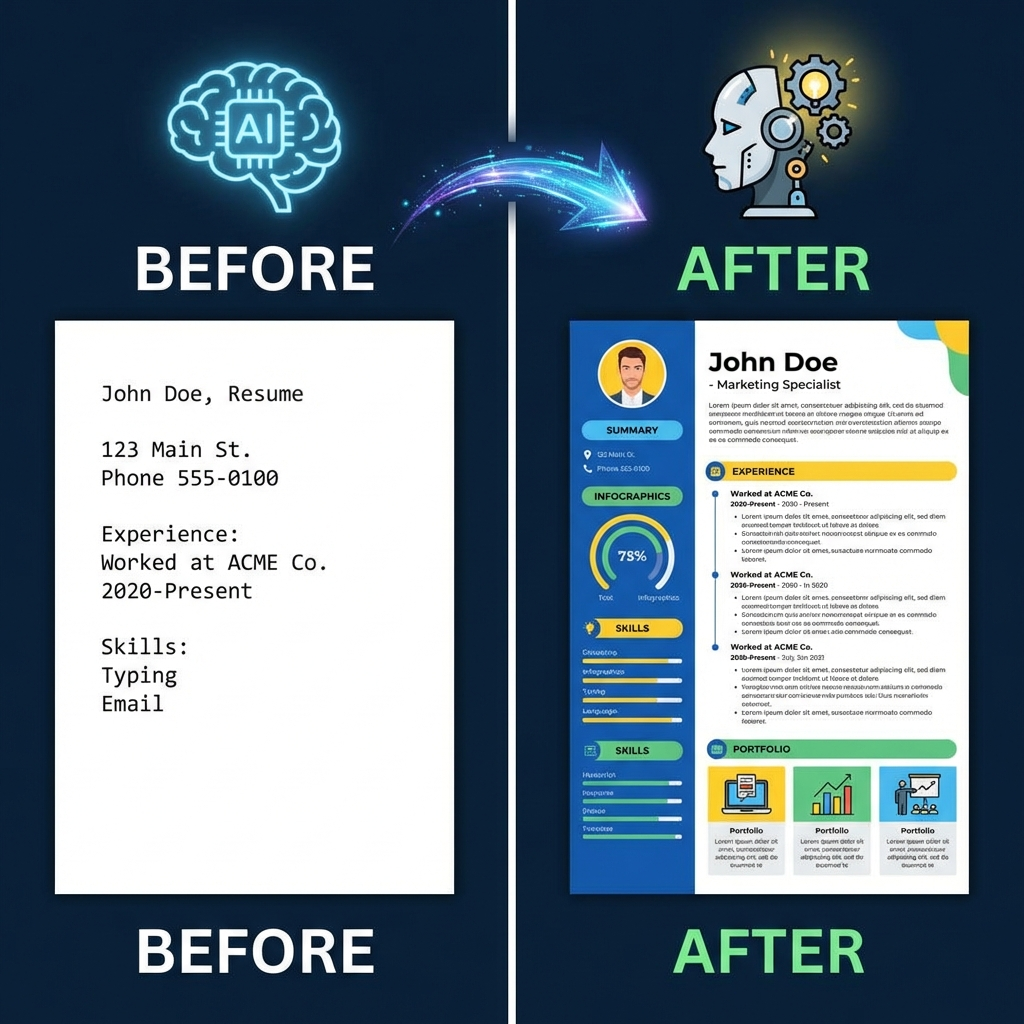
The Best AI Resume Builders at a Glance
The market offers a variety of AI resume builders, each with unique strengths. Knowing which tool fits your need can save time and boost effectiveness.
- For Generating from Scratch: Tools like Rezi and Kickresume excel at overcoming blank-page syndrome. You input basic details, and their AI generates complete, coherent resume sections, providing a solid first draft in minutes.
- For Leveraging LinkedIn: Platforms such as ResumeWorded and Teal offer powerful features to import and enhance your LinkedIn profile. They analyze your profile and suggest powerful edits to transform it into a standout resume.
- For Job Matching & Distribution: Some builders, like Zety, go beyond creation. They not only help you build a resume but also provide options to push your CV directly to job boards and sometimes even offer job matching based on your profile.
- For Tracking Applications: The best free resume builder options, like the one offered by Indeed, often come with built-in job search organizers. These allow you to build a resume and then track the status of applications you submit with it, all within one platform.
How to Use an AI Builder to Beat an AI Screener
Simply using an AI builder isn’t enough; you must use it strategically. The goal is to turn the builder into a weapon against the screening software.
- Strategic Keyword Integration: Don’t just accept all AI suggestions. Use the builder’s keyword analysis for a specific job description, then manually integrate the most relevant terms naturally into your skills, summary, and work experience sections.
- Optimizing Format and Structure for Parsing: Use the builder’s ATS-friendly templates. Avoid headers, footers, columns, or fancy graphics that can confuse parsing algorithms. Let the AI guide you toward a clean, machine-readable structure.
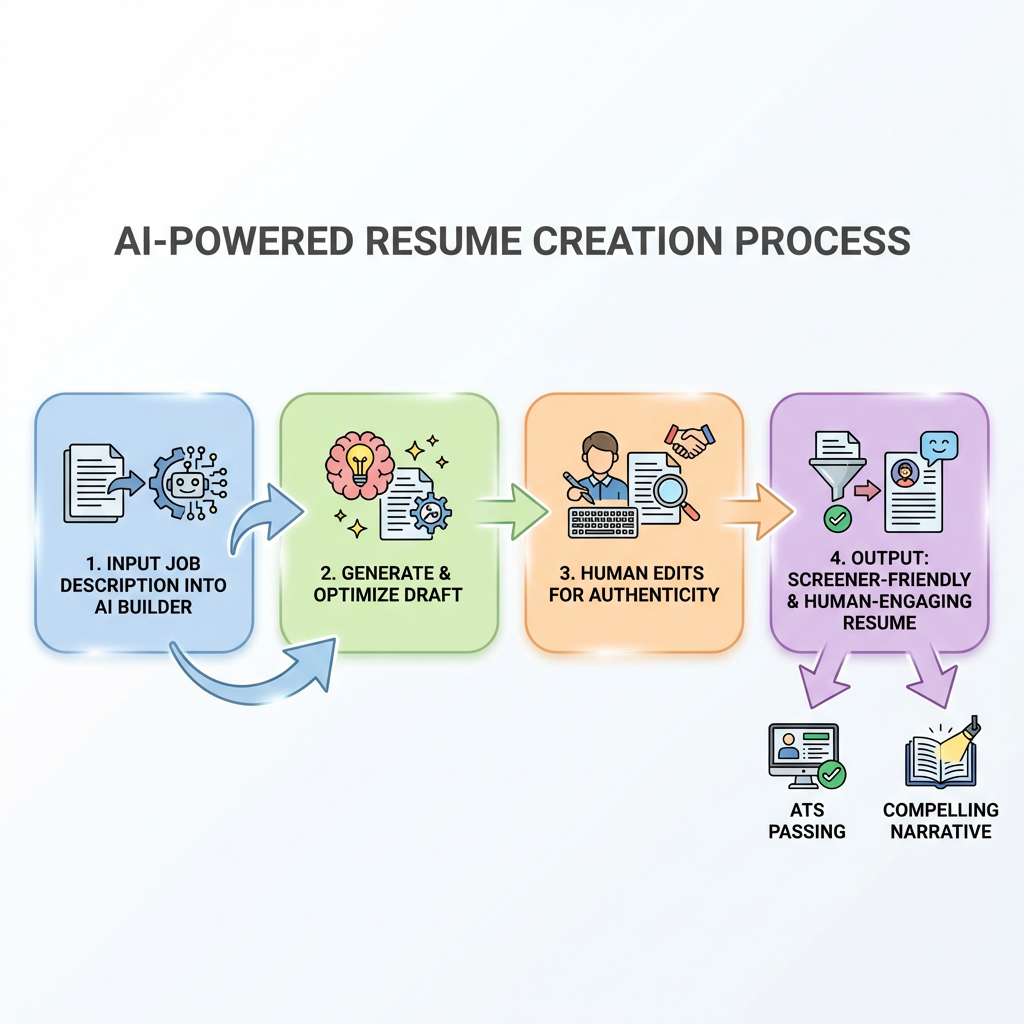
- Using AI-Generated Content as a First Draft, Not a Final Product: The bullet points and summaries generated by AI are excellent starting points. They provide phrasing and structure you might not have considered, but they often lack personal nuance.
- The Essential Human Review: This is the most critical step. Review every AI suggestion. Inject your authentic voice, specific achievements with metrics, and personal storytelling. The AI gets you past the screener; your humanity gets you the interview.
Limitations and Ethical Considerations
While powerful, AI resume tools come with important caveats that job seekers must acknowledge.
- The Risk of Generic Content: Over-reliance on AI can produce resumes that sound robotic, generic, and identical to others. This might get you past the screener but fail to impress a human reviewer looking for genuine passion and unique experience.
- Privacy Concerns: When using free or paid builder platforms, understand their data usage policies. You are often inputting highly sensitive personal and professional information. Know how this data might be stored, used, or even owned by the service provider.
- The Irreplaceable Value of Human Nuance: AI cannot replicate the subtle storytelling, context for career transitions, or the persuasive narrative that connects your past experiences to your future potential. This human element remains the ultimate differentiator.
Actionable Strategy: A Hybrid Approach for 2024
The most effective strategy is a hybrid one that leverages AI’s efficiency while retaining human judgment. Here is a practical, step-by-step approach:
- Step 1: Use an AI Builder to generate a strong, optimized base resume. Choose a builder that fits your style (e.g., from-scratch generation or LinkedIn import). Let it create a well-structured, keyword-optimized master document.
- Step 2: Manually tailor each resume for specific roles using screener insights. For every application, use the builder’s job matching or analysis feature to compare your master resume against the new job description. Manually tweak keywords, reorder bullet points, and adjust your summary to create a custom-fit resume.
- Step 3: Continuously test and adapt based on application response rates. If you’re not getting interviews, use analytics from builders (if available) or simply A/B test different versions of your resume for similar roles.
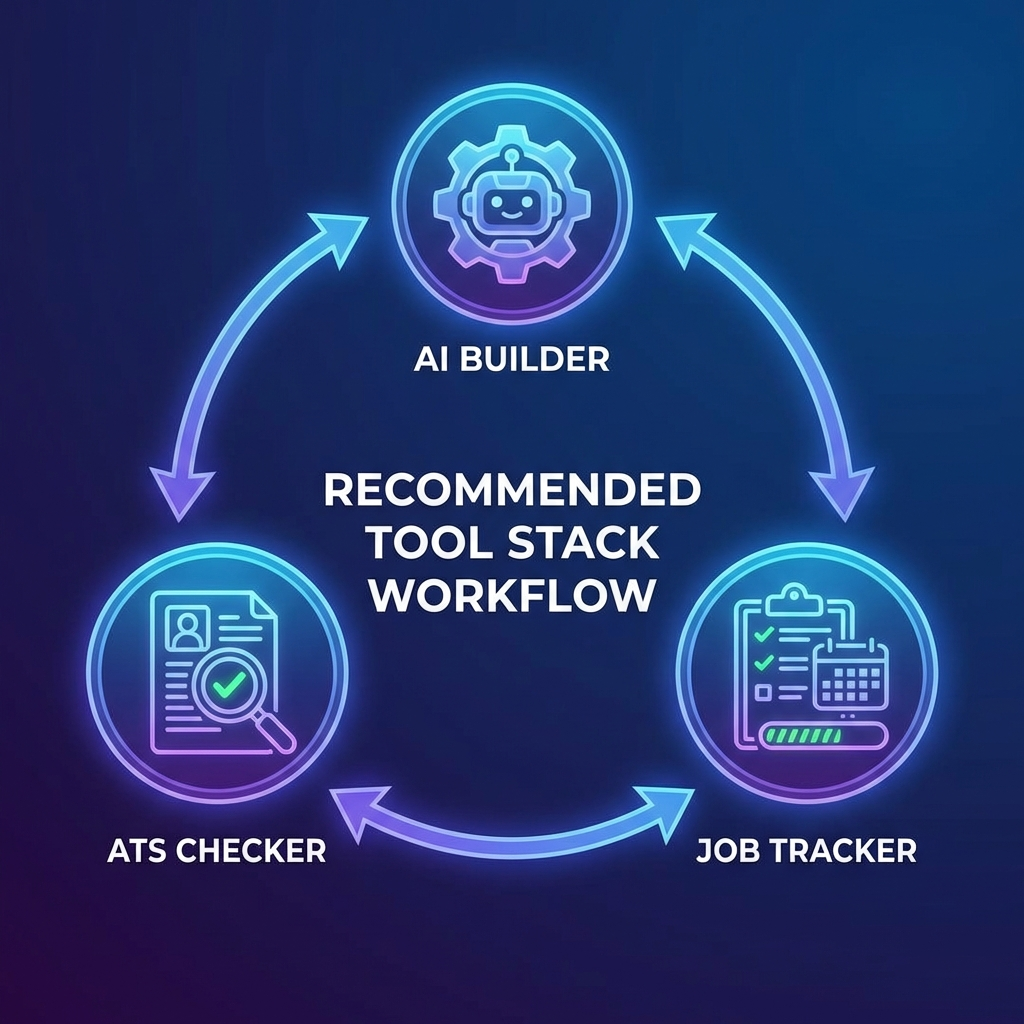
- Recommended Tool Stack: Start with a robust AI builder like Teal or Rezi for creation and tracking. Use a free ATS simulator like Jobscan to check your tailored resume’s match rate before submitting. This combination covers creation, optimization, and validation.
Conclusion
The interplay between AI resume builders and AI screening software defines the modern job search. By understanding the “gatekeeper” (screening software), you know what to overcome. By effectively wielding the “creator” (AI builders), you gain the tool to do so. The winning formula is not to choose one over the other, but to adopt a hybrid, intelligent approach. Use AI to handle the heavy lifting of optimization and structure, but always infuse the final product with your authentic voice, specific achievements, and unique story. In 2024, the most successful candidates will be those who can partner with AI to craft applications that are both machine-perfect and humanly compelling.